Introduction
Choosing the right accounting software in 2026 is no longer just about tracking income and expenses. Modern platforms now integrate artificial intelligence, automation, real-time reporting, and seamless integrations with banking, payroll, and eCommerce systems. For small businesses, this means accounting tools have evolved from simple bookkeeping systems into powerful financial management hubs.
The challenge, however, lies in selecting the right solution. With dozens of options available—each offering different pricing models, features, and levels of complexity—business owners often feel overwhelmed. Some tools are designed for freelancers, others for scaling startups, and some for global enterprises.
This comprehensive guide explores the best accounting software for small businesses in 2026, covering features, pricing, advantages, disadvantages, and expert recommendations. Whether you’re a startup founder, freelancer, or small business owner, this guide will help you make an informed decision.
What Is Accounting Software and Why It Matters
Accounting software is a digital solution that helps businesses manage financial transactions, track income and expenses, generate reports, and ensure compliance with tax regulations. In 2026, these tools have become essential for business efficiency and growth.
Modern accounting platforms now include automation features such as bank reconciliation, invoice generation, tax calculations, and financial forecasting. Many solutions also integrate with other business tools like CRM systems, payment processors, and inventory management software.
The importance of accounting software for small businesses cannot be overstated. It reduces manual errors, saves time, improves financial visibility, and enables better decision-making. Without it, managing finances manually can quickly become inefficient and prone to mistakes.
Key Features to Look for in Accounting Software in 2026
Automation and AI Capabilities
One of the biggest trends in accounting software is the integration of artificial intelligence. Tools now offer automated categorization of expenses, predictive cash flow analysis, and smart financial insights. For example, platforms like QuickBooks have introduced AI-powered reconciliation and forecasting features.
Automation reduces manual work and allows business owners to focus on strategic tasks instead of repetitive bookkeeping.
Cloud-Based Accessibility
Cloud accounting has become the standard in 2026. Cloud-based software allows users to access financial data anytime, anywhere, using any device. This is especially useful for remote teams and businesses with multiple stakeholders.
Cloud systems also offer automatic updates, enhanced security, and real-time collaboration between business owners and accountants.
Integration Capabilities
Modern accounting software integrates with hundreds of third-party applications, including payment gateways, CRM systems, payroll tools, and eCommerce platforms. QuickBooks, for instance, supports over 750 integrations, making it highly versatile.
Integration ensures seamless workflows and eliminates the need for manual data entry across systems.
Real-Time Reporting and Insights
Real-time financial reporting is critical for making informed business decisions. Accounting software now provides dashboards, profit and loss statements, cash flow reports, and customizable analytics.
These insights help businesses monitor performance and identify opportunities for growth.
Scalability
As your business grows, your accounting needs will evolve. The best software solutions offer scalable plans, allowing you to upgrade features as needed without switching platforms.
Multi-Currency and Global Support
For businesses operating internationally, multi-currency support is essential. Platforms like Xero provide strong global capabilities, including currency conversion and international compliance features.
Pricing Models Explained
Accounting software pricing varies widely depending on features, users, and add-ons. Understanding pricing structures is essential before making a decision.
Subscription-Based Pricing
Most accounting software operates on a monthly or annual subscription model. Prices typically range from $10 to $200 per month, depending on the plan.
For example:
- QuickBooks Online plans range from approximately $35 to $200 per month.
- Xero plans range from about $29 to $95 per month.
Tiered Plans
Most providers offer multiple pricing tiers:
- Basic plans for freelancers and startups
- Mid-tier plans for small businesses
- Advanced plans with features like payroll, inventory, and analytics
Add-Ons and Hidden Costs
Some platforms charge extra for features such as payroll, advanced reporting, or additional users. Hidden costs can significantly increase the total expense, so it’s important to evaluate the full pricing structure.
Top Accounting Software for Small Businesses in 2026
QuickBooks Online – Best Overall
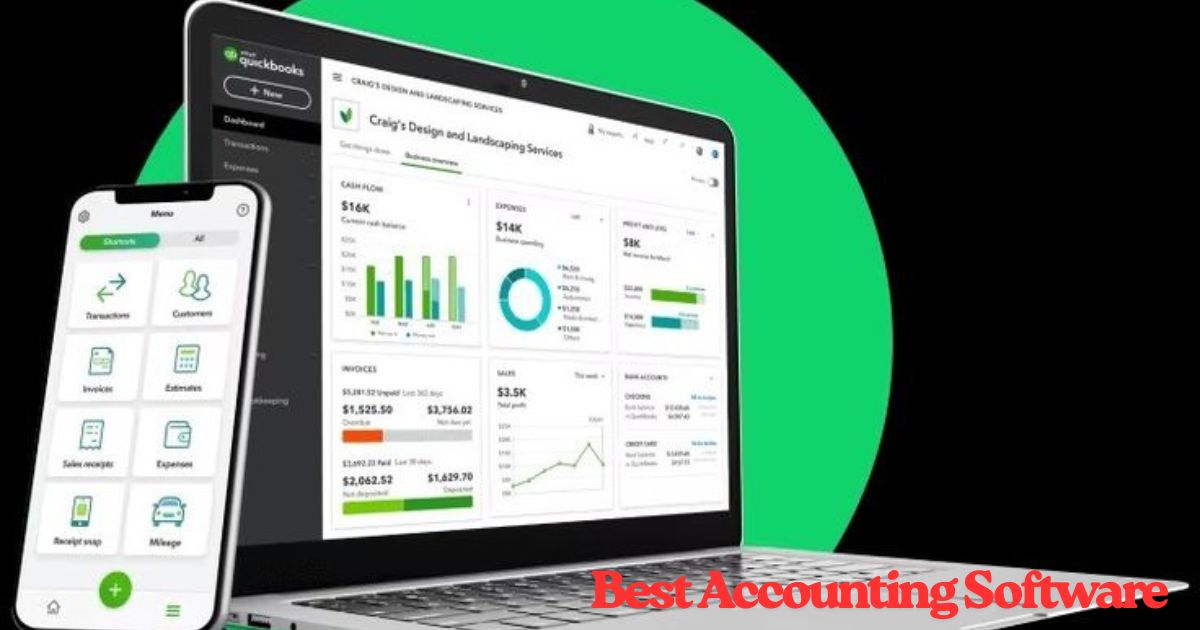
QuickBooks Online remains the industry leader in 2026, widely used by small and medium-sized businesses worldwide. It offers a comprehensive set of features, including expense tracking, payroll integration, inventory management, and advanced reporting.
Key Features
- AI-powered automation
- Advanced reporting and analytics
- Extensive integration ecosystem
- Inventory and payroll management
Pros
- Highly scalable
- Strong support network
- Industry-standard platform
Cons
- Higher pricing compared to competitors
- Can be complex for beginners
QuickBooks is ideal for businesses that need a robust, all-in-one solution.
Xero – Best for Collaboration and Global Businesses
Xero is known for its clean interface and strong collaboration features. It allows unlimited users and supports real-time financial tracking.
Key Features
- Real-time bank reconciliation
- Multi-currency support
- Cloud-based collaboration
- Automated workflows
Pros
- User-friendly interface
- Affordable pricing
- Strong automation
Cons
- Limited advanced reporting compared to QuickBooks
- Fewer U.S.-specific features
Xero is perfect for businesses with remote teams or international operations.
FreshBooks – Best for Freelancers and Service-Based Businesses
FreshBooks is designed for freelancers and small service-based businesses. It focuses on invoicing, time tracking, and expense management.
Key Features
- Professional invoicing
- Time tracking
- Expense management
- Simple financial reports
Pros
- Easy to use
- Affordable
- Great for client-based work
Cons
- Limited advanced accounting features
- Not ideal for large businesses
FreshBooks is an excellent choice for freelancers and consultants.
Zoho Books – Best for Automation and Value
Zoho Books is a powerful yet affordable accounting solution with strong automation features. It integrates seamlessly with the Zoho ecosystem.
Key Features
- Automated workflows
- Mobile-friendly interface
- Tax compliance tools
- Integration with Zoho apps
Pros
- Cost-effective
- Highly automated
- Great mobile experience
Cons
- Limited third-party integrations outside Zoho ecosystem
Wave – Best Free Accounting Software
Wave offers a free accounting solution with essential features for small businesses and freelancers.
Key Features
- Free invoicing and accounting
- Expense tracking
- Financial reporting
Pros
- Completely free
- Easy to use
- Ideal for startups
Cons
- Limited features
- Paid add-ons required for payroll
Wave is perfect for budget-conscious entrepreneurs.
Sage Accounting – Best for Growing Businesses
Sage Accounting provides strong cloud functionality and clear pricing, making it suitable for growing businesses.
Key Features
- Cash flow management
- Invoice tracking
- Reporting tools
Pros
- Reliable performance
- Scalable
Cons
- Less intuitive interface
Comparison of Top Accounting Software
| Feature | QuickBooks | Xero | FreshBooks | Zoho Books | Wave |
|---|---|---|---|---|---|
| Pricing | High | Medium | Medium | Low | Free |
| Ease of Use | Medium | High | High | High | High |
| Automation | Advanced | Strong | Basic | Strong | Basic |
| Reporting | Advanced | Good | Basic | Good | Basic |
| Best For | SMBs | Global teams | Freelancers | Small businesses | Startups |
Expert Picks Based on Business Type
Best for Startups
Wave and Zoho Books are excellent choices due to their affordability and ease of use.
Best for Freelancers
FreshBooks stands out for invoicing and time tracking capabilities.
Best for Growing Businesses
QuickBooks Online offers scalability and advanced features.
Best for International Businesses
Xero provides strong multi-currency and global support.
Trends in Accounting Software for 2026
AI-Powered Accounting
AI is transforming accounting by automating repetitive tasks and providing predictive insights. Features like cash flow forecasting and automated categorization are becoming standard.
Real-Time Financial Data
Businesses now expect instant access to financial data, enabling faster decision-making.
Integration with Business Ecosystems
Accounting software is increasingly integrated with CRM, ERP, and eCommerce platforms, creating a unified business ecosystem.
Mobile-First Solutions
Mobile apps are becoming more powerful, allowing business owners to manage finances on the go.
How to Choose the Right Accounting Software
Identify Your Business Needs
Determine whether you need basic bookkeeping or advanced financial management features.
Set a Budget
Consider both subscription costs and additional fees for add-ons.
Evaluate Ease of Use
Choose software that matches your level of accounting knowledge.
Consider Scalability
Ensure the platform can grow with your business.
Check Integrations
Make sure the software integrates with your existing tools.
Common Mistakes to Avoid
- Choosing software based solely on price
- Ignoring scalability
- Overlooking hidden costs
- Not testing the software before purchase
Final Thoughts
The best accounting software for small businesses in 2026 depends on your specific needs, budget, and growth plans. QuickBooks Online remains the top choice for its comprehensive features and scalability, while Xero excels in collaboration and affordability. FreshBooks is ideal for freelancers, and Zoho Books offers excellent value for automation-focused businesses.
Ultimately, the right software will help you streamline financial management, reduce errors, and gain valuable insights into your business performance. Investing in the right accounting tool is not just a financial decision—it’s a strategic move that can drive long-term growth and success.