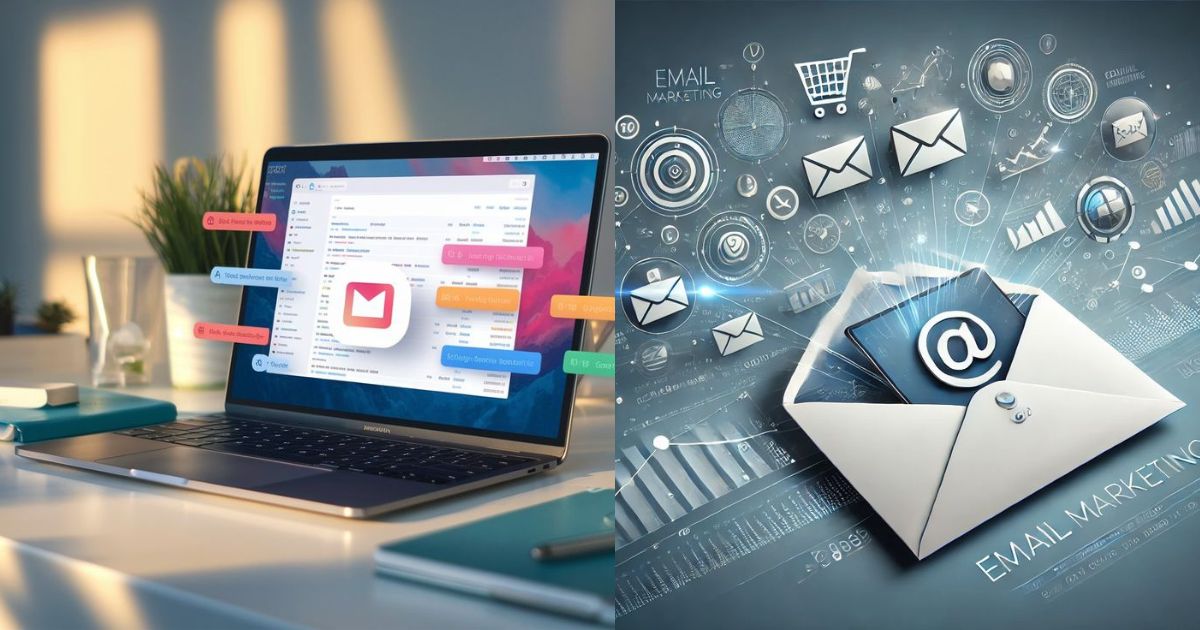
Email marketing has evolved far beyond manually sending newsletters and promotional blasts. Today, automation is the engine that drives scalable, personalized, and highly profitable email campaigns. Businesses that leverage email marketing automation effectively don’t just save time—they build systems that generate consistent revenue on autopilot.
In this comprehensive guide, you’ll learn everything you need to know about email marketing automation—from the fundamentals to advanced strategies—so you can streamline your workflow and increase your revenue effortlessly.
What Is Email Marketing Automation?
Email marketing automation is the process of sending emails automatically based on predefined triggers, schedules, or user behavior. Instead of manually sending each message, automation tools handle the process for you.
How It Works
Automation relies on three core components:
- Triggers: Actions that start an email sequence (e.g., sign-up, purchase, click)
- Workflows: Predefined sequences of emails
- Conditions: Rules that determine what happens next
Simple Example
A user signs up for your newsletter:
- They receive a welcome email immediately
- After 2 days, they receive a helpful guide
- After 5 days, they get a product offer
All of this happens automatically.
Why Email Automation Is a Game-Changer
Automation transforms email marketing from a time-consuming task into a scalable system.
Save Time and Resources
Once set up, automated campaigns run without constant manual effort.
Deliver Personalized Experiences
Automation allows you to send relevant messages based on user behavior.
Increase Revenue
Timely, targeted emails significantly improve conversion rates.
Key Benefits of Email Marketing Automation
Consistency in Communication
Automation ensures your audience hears from you regularly without gaps.
Improved Customer Journey
Subscribers receive the right message at the right stage.
Higher Engagement Rates
Relevant emails lead to better open and click rates.
Scalability
You can reach thousands (or millions) of subscribers with minimal effort.
Types of Email Automation Workflows
Different workflows serve different purposes in your marketing strategy.
Welcome Series
Your first impression matters.
What to Include
- Brand introduction
- Value proposition
- Initial offer
Lead Nurturing Sequence
Not all leads are ready to buy immediately.
Goal
Build trust and educate your audience over time.
Abandoned Cart Emails
Recover lost sales by reminding users of their unfinished purchases.
Best Practices
- Send within a few hours
- Include product details
- Add incentives if needed
Re-Engagement Campaigns
Win back inactive subscribers.
Example
“Still interested? Here’s something special for you.”
Post-Purchase Follow-Ups
Keep customers engaged after a purchase.
Ideas
- Thank you emails
- Upsell recommendations
- Feedback requests
Building Your First Automation Workflow
Getting started with automation doesn’t have to be complicated.
Step 1: Define Your Goal
Decide what you want to achieve:
- More sales
- Better engagement
- Lead nurturing
Step 2: Map the Customer Journey
Understand how users interact with your brand.
Example Journey
- Discover your content
- Subscribe to your list
- Receive value-driven emails
- Make a purchase
Step 3: Choose Triggers
Common triggers include:
- Email sign-up
- Link clicks
- Purchases
Step 4: Create Email Content
Write emails that:
- Provide value
- Build trust
- Encourage action
Step 5: Set Timing and Delays
Avoid overwhelming your audience.
Step 6: Test and Launch
Always test your workflow before going live.
Essential Automation Tools and Features
To maximize results, your platform should include key automation features.
Workflow Builders
Visual editors make it easy to design sequences.
Segmentation Tools
Group users based on behavior or characteristics.
Analytics and Reporting
Track performance and optimize campaigns.
Segmentation and Personalization in Automation
Automation becomes powerful when combined with segmentation.
Why Segmentation Matters
Not all subscribers are the same.
Common Segmentation Criteria
- Demographics
- Behavior
- Purchase history
Personalization Techniques
Dynamic Content
Show different content to different users.
Behavioral Emails
Trigger emails based on actions.
Writing Automated Emails That Convert
Automation doesn’t mean sacrificing quality.
Keep It Human
Even automated emails should feel personal.
Focus on Value
Provide helpful, relevant content.
Include Clear CTAs
Tell readers what to do next.
Advanced Automation Strategies
Once you master the basics, you can implement advanced tactics.
Behavioral Targeting
Send emails based on:
- Pages visited
- Time spent on site
- Products viewed
Predictive Sending
Use data to send emails at optimal times.
Multi-Step Funnels
Create complex sequences that guide users through the buying process.
Common Mistakes to Avoid
Over-Automation
Too many emails can overwhelm subscribers.
Lack of Personalization
Generic emails reduce engagement.
Ignoring Data
Failing to analyze results limits improvement.
Measuring Automation Success
Tracking performance is essential.
Key Metrics
- Open rate
- Click-through rate
- Conversion rate
- Revenue per email
Continuous Optimization
Always refine your workflows based on data.
Real-World Example of Automation Success
Scenario
An online store implements:
- Welcome series
- Abandoned cart emails
- Post-purchase follow-ups
Result
- Increased conversions
- Higher customer retention
- More repeat purchases
Integrating Automation with Other Marketing Channels
Email works best when combined with other strategies.
Social Media
Drive traffic to your email list.
Content Marketing
Use blogs and lead magnets to attract subscribers.
Paid Advertising
Capture leads through ads and nurture them via email.
Email Automation for Different Business Types
E-commerce
Focus on:
- Cart recovery
- Product recommendations
SaaS
Focus on:
- Onboarding sequences
- Feature education
Service-Based Businesses
Focus on:
- Lead nurturing
- Appointment reminders
The Future of Email Marketing Automation
Automation continues to evolve.
AI and Machine Learning
Smarter personalization and predictions.
Hyper-Personalization
Highly tailored user experiences.
Omnichannel Automation
Integration across multiple platforms.
Best Practices for Long-Term Success
Keep Your List Clean
Remove inactive subscribers regularly.
Test Everything
Continuous testing leads to better results.
Focus on Relationships
Build trust, not just sales.
Automation vs Manual Email Marketing
| Aspect | Automation | Manual |
|---|---|---|
| Time Efficiency | High | Low |
| Personalization | Advanced | Limited |
| Scalability | High | Low |
| Consistency | Reliable | Variable |
Creating a Sustainable Automation Strategy
Start Simple
Begin with basic workflows.
Scale Gradually
Add complexity over time.
Monitor Performance
Use data to guide decisions.
Final Checklist for Email Automation
Before launching, ensure:
- Clear goals
- Defined workflows
- Personalized content
- Proper timing
- Analytics tracking
Conclusion
Email marketing automation is not just a convenience—it’s a necessity for modern businesses that want to scale efficiently and increase revenue.
By implementing the right workflows, leveraging personalization, and continuously optimizing your campaigns, you can create a system that works for you 24/7.
The beauty of automation lies in its ability to deliver the right message to the right person at the right time—without requiring constant effort. And when done correctly, it becomes one of the most powerful tools for driving consistent, long-term growth.
Start small, stay consistent, and keep improving. Over time, your automated email system will become a reliable engine that saves you time while generating revenue effortlessly.