Running a business in today’s digital-first world is more complex than ever. Customers interact with brands across multiple channels, expect fast responses, and demand personalized experiences. Without a structured system to manage these interactions, businesses risk losing opportunities, damaging relationships, and falling behind competitors.
This is where Customer Relationship Management (CRM) software becomes essential. A CRM system helps businesses organize customer data, streamline communication, automate workflows, and improve overall efficiency. Whether you are a startup, small business, or growing enterprise, implementing a CRM can transform how you operate and scale.
Leading platforms like Salesforce, HubSpot, and Zoho have made CRM solutions more accessible and powerful, enabling businesses of all sizes to compete effectively.
What Is a CRM System
Definition of CRM
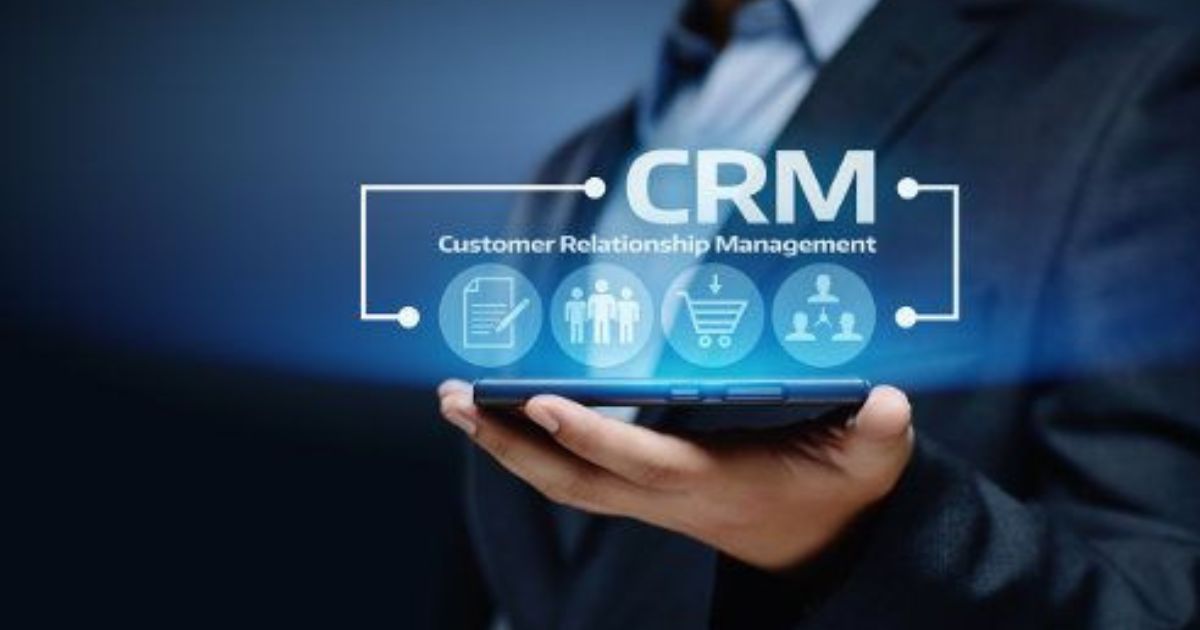
A CRM system is a technology used to manage all your company’s relationships and interactions with current and potential customers. It centralizes customer information, tracks communication, and supports sales, marketing, and customer service processes.
Evolution of CRM
CRM systems have evolved significantly over the years:
- Early CRM tools focused on contact management
- Modern CRMs integrate sales, marketing, and support
- Advanced systems now include artificial intelligence and automation
Core Functions of a CRM
CRM platforms typically offer:
- Contact and lead management
- Sales pipeline tracking
- Marketing automation
- Customer support tools
- Reporting and analytics
The Importance of CRM for Modern Businesses
Managing Customer Data Efficiently
Businesses generate large amounts of customer data daily. A CRM system organizes this data in one place, making it easy to access and use.
Enhancing Customer Relationships
Strong relationships are the foundation of any successful business. CRM systems help personalize interactions and build trust with customers.
Improving Operational Efficiency
Automation and streamlined processes reduce manual work, allowing teams to focus on high-value activities.
Supporting Business Growth
As businesses grow, managing customer relationships becomes more complex. A CRM system ensures scalability and consistency.
Key Benefits of Using a CRM
Centralized Information
Single Source of Truth
All customer data is stored in one location, ensuring consistency across teams.
Easy Access
Employees can quickly retrieve customer information, improving response times.
Improved Communication
Internal Collaboration
Teams can share information and coordinate efforts more effectively.
Customer Interaction
CRM systems enable personalized and timely communication with customers.
Increased Sales Productivity
Lead Management
Track and manage leads efficiently throughout the sales process.
Sales Automation
Automate repetitive tasks such as follow-ups and data entry.
Better Customer Service
Faster Issue Resolution
Access to customer history helps resolve issues quickly.
Consistent Support
Provide a seamless experience across all support channels.
Data-Driven Decision Making
Analytics and Reporting
Gain insights into performance and customer behavior.
Forecasting
Predict future trends and plan strategies accordingly.
CRM and Sales Performance
Streamlining the Sales Process
CRM systems help organize and manage the sales pipeline, making it easier to track opportunities and close deals.
Lead Tracking and Nurturing
Capturing Leads
Automatically collect leads from various sources.
Nurturing Relationships
Use automated workflows to engage and convert leads.
Sales Forecasting
Accurate data allows businesses to forecast sales and set realistic goals.
Improving Conversion Rates
With better insights and automation, businesses can increase their chances of converting leads into customers.
CRM and Marketing Optimization
Targeted Marketing Campaigns
CRM systems enable segmentation and personalized campaigns.
Marketing Automation
Email Campaigns
Automate email sequences based on customer behavior.
Social Media Integration
Manage and track social media interactions.
Measuring Campaign Effectiveness
Analyze campaign performance and optimize strategies for better results.
CRM and Customer Support
Enhancing Customer Experience
CRM systems provide a complete view of customer interactions, enabling better service.
Ticket Management
Track and resolve customer issues efficiently.
Omnichannel Support
Provide support across email, phone, chat, and social media.
Building Customer Loyalty
Consistent and high-quality support fosters long-term relationships.
Automation and Productivity
Reducing Manual Tasks
Automation eliminates repetitive tasks such as data entry and follow-ups.
Workflow Automation
Task Assignment
Automatically assign tasks to team members.
Notifications and Reminders
Ensure timely actions and follow-ups.
Increasing Efficiency
Teams can focus on strategic activities instead of administrative work.
CRM for Small Businesses
Affordable Solutions
Many CRM platforms offer cost-effective plans for small businesses.
Easy Implementation
Modern CRMs are user-friendly and require minimal setup.
Scalability
Businesses can start small and expand their CRM capabilities as they grow.
Competitive Advantage
Using a CRM helps small businesses compete with larger organizations.
CRM for Large Enterprises
Advanced Features
Enterprise CRMs offer advanced tools such as AI and predictive analytics.
Customization
Tailor the system to meet specific business needs.
Integration
Connect with other enterprise systems for seamless operations.
Global Scalability
Support operations across multiple locations and teams.
Choosing the Right CRM
Assessing Business Needs
Identify your goals and requirements before selecting a CRM.
Budget Considerations
Evaluate pricing plans and ensure they align with your budget.
Ease of Use
Choose a system that your team can easily adopt.
Integration Capabilities
Ensure compatibility with existing tools and systems.
Vendor Support
Reliable customer support is essential for successful implementation.
Common Challenges and How to Overcome Them
Resistance to Change
Employees may be hesitant to adopt new systems.
Solution
Provide training and highlight the benefits of CRM.
Data Migration Issues
Transferring data from old systems can be challenging.
Solution
Plan and execute data migration carefully.
Overcomplication
Too many features can overwhelm users.
Solution
Start with essential features and expand gradually.
Cost Concerns
Some CRM systems can be expensive.
Solution
Choose a scalable solution that fits your budget.
Future Trends in CRM
Artificial Intelligence
AI will enhance automation, personalization, and predictive analytics.
Mobile CRM
Access CRM systems on mobile devices for greater flexibility.
Integration with Emerging Technologies
CRM systems will integrate with tools like IoT and advanced analytics platforms.
Enhanced User Experience
Future CRMs will focus on simplicity and usability.
Real-World Examples of CRM Success
Small Business Growth
A small business using HubSpot improved lead conversion through automated email campaigns.
Enterprise Efficiency
A large company leveraging Salesforce streamlined its sales process and increased revenue.
Cost-Effective Solutions
A growing company using Zoho managed customer relationships efficiently without high costs.
Best Practices for CRM Implementation
Set Clear Objectives
Define what you want to achieve with your CRM system.
Train Your Team
Ensure all users understand how to use the system effectively.
Maintain Data Quality
Keep customer data accurate and up to date.
Monitor Performance
Track key metrics and adjust strategies as needed.
Continuously Improve
Regularly evaluate and optimize your CRM processes.
Conclusion
In an increasingly competitive business environment, having a CRM system is no longer optional—it is a necessity. CRM software helps businesses manage customer relationships, improve efficiency, and drive growth.
Whether you choose Salesforce for its advanced capabilities, HubSpot for its user-friendly interface, or Zoho for its affordability, the right CRM can transform your business operations.
By investing in a CRM system, you can enhance customer experiences, increase sales, and position your business for long-term success.