Introduction to Customer Retention and CRM
Customer retention is one of the most critical factors in building a sustainable and profitable business. While acquiring new customers is important, retaining existing ones is often more cost-effective and leads to higher lifetime value. Studies consistently show that repeat customers tend to spend more, refer others, and engage more deeply with a brand.
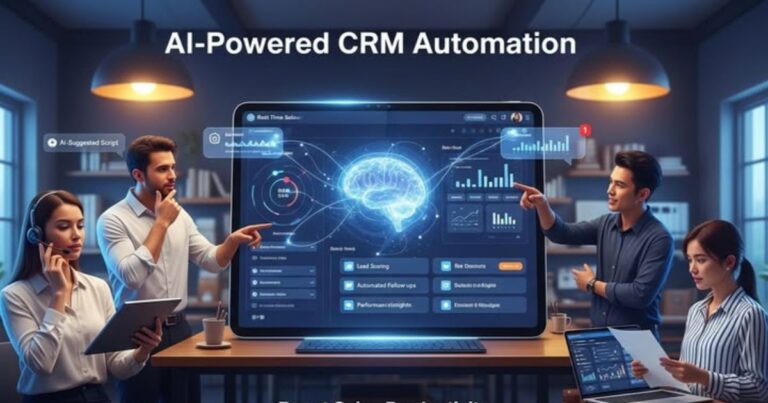
Customer Relationship Management (CRM) systems play a central role in helping businesses improve retention. By organizing customer data, tracking interactions, and enabling personalized communication, CRM tools empower businesses to build long-lasting relationships with their customers.
Modern CRM platforms like Salesforce, HubSpot, and Zoho provide powerful features that make customer retention more achievable for businesses of all sizes.
Understanding Customer Retention
What Is Customer Retention
Customer retention refers to a company’s ability to keep its customers over a period of time. It reflects how well a business maintains relationships and continues to deliver value after the initial purchase.
Why Customer Retention Matters
Retaining customers is crucial for several reasons:
- It costs less than acquiring new customers
- Loyal customers generate consistent revenue
- Repeat buyers are more likely to recommend your business
- Long-term customers provide valuable feedback
Key Metrics for Measuring Retention
Customer Retention Rate
This measures the percentage of customers a business retains over a specific period.
Customer Lifetime Value (CLV)
CLV represents the total revenue a business can expect from a single customer over time.
Churn Rate
Churn rate indicates how many customers stop doing business with you.
CRM systems help track all these metrics accurately, giving businesses a clear picture of their retention performance.
The Role of CRM in Customer Retention
Centralized Customer Data
CRM systems store all customer information in one place, including contact details, purchase history, and communication records. This centralization allows businesses to understand their customers better and respond more effectively.
Improved Communication
CRM tools enable consistent and personalized communication across multiple channels such as email, phone, and social media.
Automation of Customer Engagement
Automation ensures that customers receive timely follow-ups, reminders, and personalized messages without manual effort.
Data-Driven Insights
CRM analytics provide actionable insights into customer behavior, helping businesses identify patterns and improve retention strategies.
Personalization and Customer Experience
Importance of Personalization
Customers expect personalized experiences. Generic communication can make customers feel undervalued, while tailored interactions build stronger relationships.
How CRM Enables Personalization
Customer Segmentation
CRM systems allow businesses to divide customers into segments based on behavior, preferences, and demographics.
Personalized Messaging
With CRM data, businesses can send targeted messages that resonate with specific customer groups.
Behavioral Tracking
CRM tools track customer actions, such as website visits and purchase history, enabling more relevant interactions.
Impact on Retention
Personalized experiences increase customer satisfaction, loyalty, and repeat purchases.
Automation and Consistency
Why Automation Matters
Manual processes can lead to missed opportunities and inconsistent communication. Automation ensures that every customer receives timely and relevant engagement.
Key Automation Features in CRM
Email Automation
Automated email campaigns help nurture relationships and keep customers engaged.
Follow-Up Reminders
CRM systems remind teams to follow up with customers at the right time.
Workflow Automation
Automated workflows streamline processes such as onboarding, support, and re-engagement.
Benefits of Automation
Automation improves efficiency, reduces errors, and ensures consistent customer experiences.
Customer Support and Service
Role of Customer Support in Retention
Excellent customer support is a key driver of retention. Customers are more likely to stay loyal if their issues are resolved quickly and effectively.
How CRM Enhances Customer Support
Ticket Management
CRM systems track customer issues and ensure timely resolution.
Knowledge Base Integration
Businesses can provide self-service options through integrated knowledge bases.
Omnichannel Support
CRM platforms enable support across multiple channels, ensuring a seamless experience.
Building Trust Through Support
Consistent and reliable support builds trust, which is essential for long-term customer relationships.
Sales and Retention Alignment
Connecting Sales and Retention
Retention is not just the responsibility of customer support; it involves sales and marketing as well.
How CRM Aligns Teams
Shared Customer Data
All teams have access to the same information, improving collaboration.
Unified Communication
CRM systems ensure consistent messaging across departments.
Tracking Customer Journeys
Businesses can monitor the entire customer journey, from acquisition to retention.
Benefits of Alignment
Aligned teams provide better customer experiences and improve retention outcomes.
Using Data and Analytics
Importance of Data in Retention
Data helps businesses understand customer behavior and identify opportunities for improvement.
CRM Analytics Features
Customer Insights
CRM systems provide insights into customer preferences and behaviors.
Predictive Analytics
Advanced CRM platforms use AI to predict customer needs and potential churn.
Performance Tracking
Businesses can monitor key performance indicators and adjust strategies accordingly.
Turning Insights into Action
Data-driven decisions lead to more effective retention strategies and improved customer satisfaction.
Building Loyalty Programs
Why Loyalty Programs Work
Loyalty programs reward customers for repeat business, encouraging long-term engagement.
How CRM Supports Loyalty Programs
Tracking Customer Activity
CRM systems monitor purchases and engagement levels.
Managing Rewards
Businesses can manage points, discounts, and rewards through CRM platforms.
Personalizing Offers
CRM data enables tailored rewards based on customer preferences.
Impact on Retention
Loyalty programs increase customer engagement and strengthen relationships.
Re-Engagement Strategies
Identifying At-Risk Customers
CRM systems help identify customers who are likely to churn based on their behavior.
Re-Engagement Tactics
Targeted Campaigns
Businesses can send personalized offers to re-engage inactive customers.
Feedback Collection
Surveys and feedback requests help understand why customers disengage.
Special Incentives
Discounts and promotions can encourage customers to return.
Measuring Re-Engagement Success
CRM analytics track the effectiveness of re-engagement efforts, allowing businesses to refine their strategies.
Integration with Marketing Tools
Importance of Integration
CRM systems work best when integrated with marketing tools.
Key Integrations
Email Marketing Platforms
Integration enables seamless campaign management.
Social Media Tools
Businesses can track and engage with customers on social platforms.
E-commerce Platforms
CRM integration with e-commerce systems provides insights into purchasing behavior.
Benefits of Integration
Integrated systems provide a holistic view of customers and improve retention strategies.
Challenges and Solutions
Common Challenges
Data Management Issues
Incomplete or inaccurate data can reduce CRM effectiveness.
Low Adoption Rates
Teams may resist using CRM systems.
Overcomplication
Too many features can overwhelm users.
Solutions
Data Cleaning
Regularly update and maintain customer data.
Training and Support
Provide proper training to ensure team adoption.
Simplifying Processes
Focus on essential features that align with business goals.
Future of CRM in Customer Retention
AI and Machine Learning
AI-driven CRM systems will provide more accurate predictions and automation.
Enhanced Personalization
Future CRM tools will offer even more personalized customer experiences.
Real-Time Engagement
Businesses will be able to interact with customers in real time.
Increased Mobility
Mobile CRM solutions will allow teams to manage customer relationships from anywhere.
Conclusion
Customer retention is essential for long-term business success, and CRM systems provide the tools needed to achieve it. By centralizing data, enabling personalization, automating processes, and providing valuable insights, CRM platforms help businesses build stronger relationships with their customers.
Whether using Salesforce for advanced capabilities, HubSpot for user-friendly features, or Zoho for affordability, businesses can leverage CRM technology to improve retention and drive sustainable growth.
Investing in the right CRM strategy not only enhances customer satisfaction but also ensures that your business remains competitive in an ever-evolving market.