Growing a business in today’s competitive and customer-centric landscape requires more than just a great product or service. Success depends on how well you understand your customers, nurture relationships, and deliver consistent value over time. This is where Customer Relationship Management (CRM) strategies come into play.
CRM is not just software—it is a business philosophy that focuses on building long-term relationships with customers. When combined with the right strategies, CRM systems can help businesses increase revenue, improve customer satisfaction, and scale efficiently.
Leading platforms like Salesforce, HubSpot, and Zoho provide the tools needed to implement effective CRM strategies, but success ultimately depends on how businesses use these tools.
Understanding CRM Strategy
What Is a CRM Strategy
A CRM strategy is a plan that outlines how a business will use customer data, technology, and processes to manage relationships and achieve growth objectives.
Why CRM Strategy Matters
Without a clear strategy, even the most advanced CRM system can fail to deliver results. A well-defined CRM strategy ensures:
- Better customer insights
- More effective communication
- Higher customer retention
- Increased sales and revenue
Core Elements of a CRM Strategy
People
Employees must be trained and aligned with CRM goals.
Processes
Workflows should be designed to optimize customer interactions.
Technology
The CRM platform should support business needs and integrate with other tools.
Building a Customer-Centric Culture
Importance of Customer Focus
A customer-centric approach prioritizes customer needs and experiences in every business decision.
How to Implement
Understand Customer Needs
Use CRM data to analyze behavior, preferences, and pain points.
Deliver Personalized Experiences
Tailor interactions based on individual customer profiles.
Encourage Feedback
Collect and act on customer feedback to improve services.
Impact on Business Growth
Customer-centric businesses tend to have higher loyalty, better reputation, and increased revenue.
Segmenting Your Customer Base
What Is Customer Segmentation
Segmentation involves dividing customers into groups based on shared characteristics.
Types of Segmentation
Demographic Segmentation
Based on age, gender, income, etc.
Behavioral Segmentation
Based on purchasing habits and interactions.
Geographic Segmentation
Based on location.
Psychographic Segmentation
Based on interests, values, and lifestyles.
Benefits of Segmentation
Segmentation allows businesses to create targeted campaigns and improve engagement.
Personalization Strategies
Why Personalization Matters
Customers expect relevant and meaningful interactions.
How CRM Enables Personalization
Data Collection
Gather detailed customer information.
Dynamic Content
Deliver customized messages based on user behavior.
Predictive Recommendations
Use AI to suggest products or services.
Results of Personalization
Improved customer satisfaction, higher engagement, and increased sales.
Automating Customer Interactions
Role of Automation
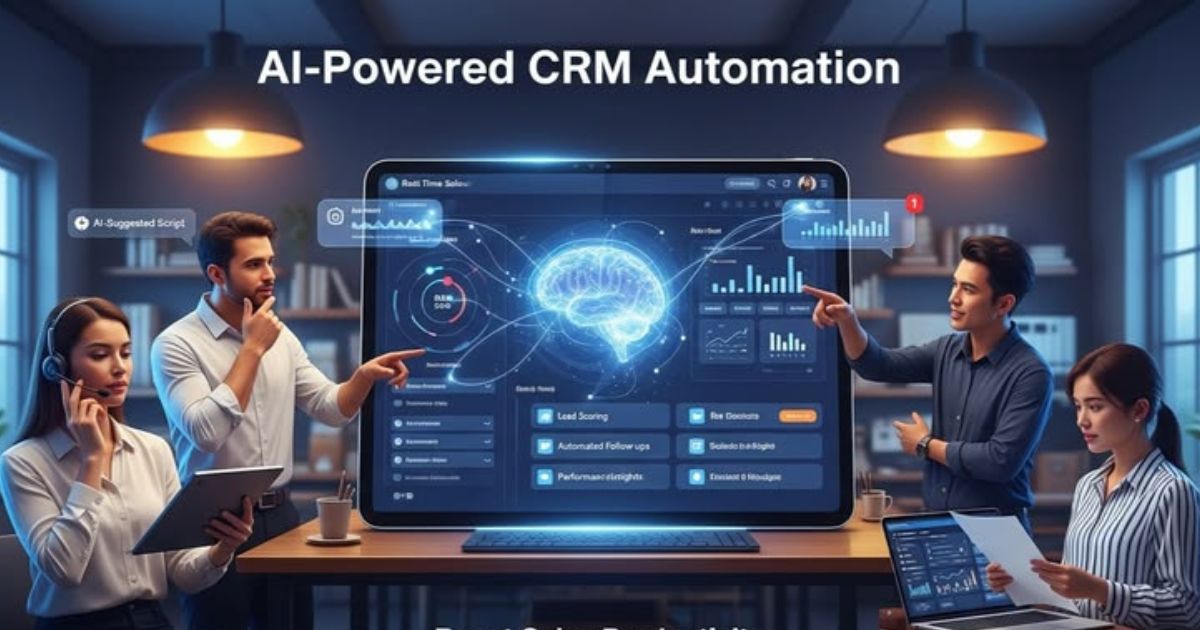
Automation reduces manual work and ensures consistent communication.
Key Automation Strategies
Email Automation
Send targeted emails based on triggers.
Lead Nurturing
Automatically guide leads through the sales funnel.
Follow-Up Reminders
Ensure timely communication with customers.
Tools for Automation
CRM platforms like HubSpot and Zoho offer robust automation features.
Enhancing Sales Processes
Streamlining Sales Pipelines
CRM systems help visualize and manage sales pipelines.
Lead Management
Capturing Leads
Collect leads from multiple channels.
Scoring Leads
Prioritize high-quality prospects.
Converting Leads
Use targeted strategies to close deals.
Sales Forecasting
Predict future sales based on data and trends.
Benefits for Growth
Improved efficiency, higher conversion rates, and increased revenue.
Strengthening Customer Retention
Importance of Retention
Retaining customers is more cost-effective than acquiring new ones.
Retention Strategies
Loyalty Programs
Reward repeat customers.
Personalized Communication
Stay engaged with customers through tailored messages.
Proactive Support
Address issues before they escalate.
Role of CRM
CRM systems track customer interactions and identify retention opportunities.
Leveraging Data and Analytics
Importance of Data
Data is the foundation of effective CRM strategies.
Key Metrics to Track
Customer Lifetime Value (CLV)
Measure the total value of a customer.
Churn Rate
Track customer loss.
Conversion Rate
Evaluate sales performance.
Using Analytics for Growth
Analyze data to identify trends, optimize strategies, and improve decision-making.
Integrating CRM with Other Systems
Why Integration Matters
Integration ensures seamless data flow across platforms.
Common Integrations
Marketing Tools
Enhance campaign management.
E-commerce Platforms
Track purchasing behavior.
Customer Support Systems
Improve service quality.
Benefits
Better insights, improved efficiency, and enhanced customer experience.
Improving Customer Support
Role of Support in Growth
Excellent customer support builds trust and loyalty.
CRM Features for Support
Ticket Management
Track and resolve issues efficiently.
Knowledge Base
Provide self-service options.
Omnichannel Support
Engage customers across multiple channels.
Impact on Business
Satisfied customers are more likely to stay and recommend your business.
Aligning Sales and Marketing Teams
Importance of Alignment
Misalignment between teams can lead to missed opportunities.
How CRM Helps
Shared Data
Ensure both teams access the same information.
Unified Goals
Align objectives and metrics.
Collaboration Tools
Facilitate communication and coordination.
Results
Improved efficiency, better customer experiences, and increased revenue.
Implementing CRM Best Practices
Start with Clear Goals
Define what you want to achieve with CRM.
Train Your Team
Ensure all users understand how to use the system.
Maintain Data Quality
Keep customer data accurate and updated.
Monitor Performance
Track key metrics and adjust strategies.
Continuously Improve
Regularly evaluate and refine your CRM approach.
Common Mistakes to Avoid
Lack of Strategy
Using CRM without a clear plan can lead to poor results.
Ignoring User Adoption
Failure to train employees can limit effectiveness.
Overcomplicating Processes
Too many features can overwhelm users.
Neglecting Data Quality
Inaccurate data can hinder decision-making.
Future Trends in CRM Strategies
Artificial Intelligence
AI will enhance automation and predictive analytics.
Hyper-Personalization
Deliver highly tailored customer experiences.
Mobile CRM
Manage customer relationships on the go.
Real-Time Engagement
Interact with customers instantly.
Real-World Examples
Small Business Growth
A startup using HubSpot improved lead conversion through automation.
Enterprise Success
A corporation leveraging Salesforce optimized its sales pipeline and increased revenue.
Cost-Effective Scaling
A growing business using Zoho managed customer relationships efficiently at a low cost.
Measuring CRM Success
Key Performance Indicators
Customer Retention Rate
Measure how well you retain customers.
Sales Growth
Track revenue increases.
Customer Satisfaction
Evaluate customer experience.
Continuous Optimization
Use data and feedback to improve strategies over time.
Conclusion
CRM strategies are essential for businesses looking to grow sustainably and compete effectively in today’s market. By focusing on customer relationships, leveraging data, and using automation, businesses can enhance efficiency and drive revenue.
Platforms like Salesforce, HubSpot, and Zoho provide the tools needed to implement these strategies, but success depends on execution.
By adopting the right CRM strategies, businesses can build stronger relationships, improve customer experiences, and achieve long-term growth.