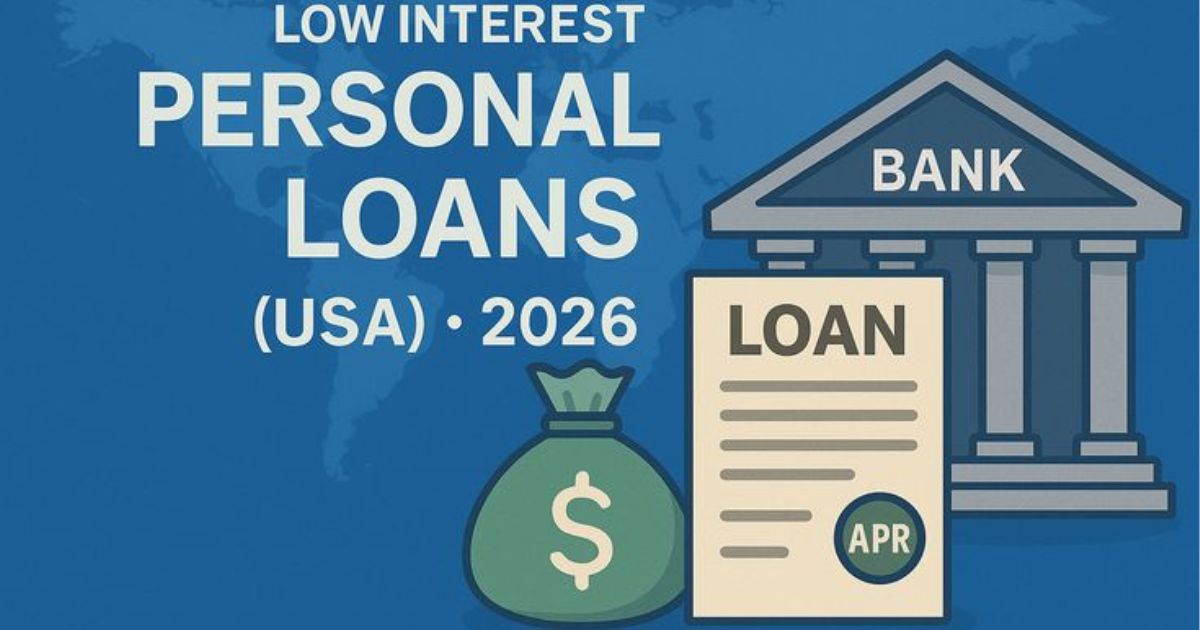
Personal loans continue to be one of the most flexible financial tools available in 2026. Whether you need funds for consolidating debt, covering unexpected expenses, or financing a major purchase, finding a loan with a low interest rate can save you a significant amount of money over time. This guide explores everything you need to know about low-interest personal loans, how to qualify, where to find them, and how to make the smartest borrowing decisions.
What Is a Personal Loan
A personal loan is a type of unsecured loan that allows borrowers to access a fixed amount of money and repay it over a set period, typically with fixed monthly payments. Unlike mortgages or auto loans, personal loans are not tied to a specific asset, making them highly versatile.
Borrowers often use personal loans for:
- Debt consolidation
- Medical expenses
- Home improvements
- Emergency costs
- Travel or major purchases
Because they are usually unsecured, lenders assess your creditworthiness based on your financial profile rather than collateral.
Why Low Interest Rates Matter
Interest rates play a crucial role in determining the overall cost of your loan. Even a small difference in rates can result in significant savings over time.
For example, a $10,000 loan at 8 percent interest will cost much less in total repayment compared to the same loan at 15 percent interest. Lower rates mean:
- Smaller monthly payments
- Less total interest paid
- Faster debt repayment potential
This is why finding the best low-interest personal loan is essential before committing.
Key Factors That Affect Loan Interest Rates
Understanding what influences your interest rate can help you position yourself for better offers.
Credit Score
Your credit score is the most important factor. Borrowers with excellent credit typically receive the lowest interest rates, while those with lower scores may face higher costs.
Income and Employment Stability
Lenders want to ensure you can repay the loan. A stable income and consistent employment history improve your chances of securing a low rate.
Debt-to-Income Ratio
This measures how much of your income goes toward existing debts. A lower ratio indicates better financial health and increases your likelihood of getting favorable terms.
Loan Amount and Term
Shorter loan terms usually come with lower interest rates. Additionally, the amount you borrow can influence the rate offered.
Type of Lender
Banks, credit unions, and online lenders all have different risk models and pricing structures. Shopping around can help you find the best deal.
Top Types of Low-Interest Personal Loans in 2026
Traditional Bank Loans
Banks remain a popular choice for borrowers with strong credit. They often offer competitive rates, especially for existing customers.
Credit Union Loans
Credit unions are nonprofit organizations that typically provide lower interest rates than traditional banks. Membership may be required, but the savings can be substantial.
Online Lenders
Online lending platforms have grown significantly in recent years. They often provide quick approvals and competitive rates, especially for tech-savvy borrowers.
Peer-to-Peer Lending
This model connects borrowers directly with investors. Rates can be competitive, depending on your profile.
Secured Personal Loans
If you can provide collateral, such as savings or assets, you may qualify for lower interest rates compared to unsecured loans.
How to Qualify for the Lowest Interest Rates
Improving your financial profile before applying can significantly impact the rates you receive.
Improve Your Credit Score
- Pay bills on time
- Reduce credit card balances
- Avoid opening too many new accounts
- Check your credit report for errors
Even a modest increase in your score can lead to better offers.
Lower Your Debt
Paying down existing debts reduces your debt-to-income ratio and makes you more attractive to lenders.
Choose the Right Loan Term
While longer terms may reduce monthly payments, they often come with higher interest rates. Opting for a shorter term can help secure a lower rate.
Compare Multiple Lenders
Never settle for the first offer. Comparing at least three to five lenders can help you find the most competitive rates.
Consider a Co-Signer
If your credit is less than ideal, adding a co-signer with strong credit can improve your chances of getting a lower rate.
Best Strategies to Find Low-Interest Loans
Prequalification
Many lenders offer prequalification with a soft credit check. This allows you to see potential rates without affecting your credit score.
Use Loan Comparison Tools
Online comparison tools make it easy to evaluate multiple lenders side by side.
Look for Promotions
Some lenders offer special rates or discounts for new customers or specific borrower categories.
Check for Fee Structures
A low interest rate may come with hidden fees. Always review the annual percentage rate (APR), which includes both interest and fees.
Common Mistakes to Avoid
Focusing Only on Monthly Payments
A lower monthly payment might seem appealing, but it could mean a longer term and higher total interest.
Ignoring Fees
Origination fees, late payment penalties, and prepayment penalties can add up quickly.
Not Reading the Fine Print
Always understand the terms and conditions before signing any loan agreement.
Applying to Too Many Lenders at Once
Multiple hard credit inquiries in a short period can negatively impact your credit score.
How Interest Rates Have Changed in 2026
In 2026, personal loan interest rates are influenced by global economic trends, inflation levels, and central bank policies. While rates may fluctuate, competition among lenders has led to more attractive offers for qualified borrowers.
Digital lending platforms and AI-driven risk assessment tools have also made it easier for lenders to offer personalized rates based on individual financial behavior.
Benefits of Low-Interest Personal Loans
Cost Savings
Lower rates mean you pay less over the life of the loan.
Predictable Payments
Fixed rates provide consistent monthly payments, making budgeting easier.
Flexibility
Personal loans can be used for a wide range of purposes.
Quick Access to Funds
Many lenders offer fast approval and funding, sometimes within 24 hours.
Drawbacks to Consider
Strict Qualification Requirements
The lowest rates are typically reserved for borrowers with excellent credit.
Potential Fees
Even low-interest loans can include fees that increase overall costs.
Risk of Overborrowing
Easy access to funds can lead to unnecessary debt if not managed carefully.
Tips for Managing Your Loan Responsibly
Create a Budget
Ensure your monthly payments fit comfortably within your budget.
Set Up Automatic Payments
This helps avoid missed payments and potential penalties.
Pay More Than the Minimum
Making extra payments can reduce your principal and save on interest.
Avoid Taking on Additional Debt
Keep your financial obligations manageable while repaying your loan.
Alternatives to Personal Loans
Credit Cards with 0 Percent Intro APR
These can be useful for short-term financing if you can pay off the balance before the promotional period ends.
Home Equity Loans
If you own a home, these loans may offer lower rates but require collateral.
Borrowing from Savings
Using your own funds eliminates interest costs altogether.
Family or Peer Loans
These may offer flexible terms but should be approached with clear agreements to avoid misunderstandings.
Future Trends in Personal Lending
Technology continues to shape the lending industry. In 2026 and beyond, expect:
- More personalized loan offers using AI
- Faster approval processes
- Increased competition among online lenders
- Greater transparency in pricing and terms
These trends benefit borrowers by providing more options and better rates.
Conclusion
Finding the best personal loans with low interest in 2026 requires careful research, a strong financial profile, and a clear understanding of your needs. By improving your credit, comparing lenders, and choosing the right loan terms, you can secure a loan that minimizes costs and supports your financial goals.
Taking the time to evaluate your options and avoid common pitfalls will ensure that your borrowing experience is both affordable and beneficial in the long run.